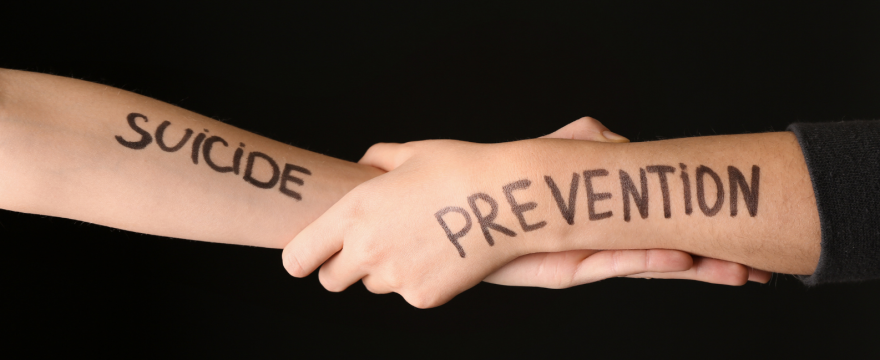

10th September is World Suicide Prevention Day, organised by the International Association for Suicide Prevention,
“…for people, across the globe, to raise awareness of suicide and suicide prevention.”
According to a recent paper published in the British Journal of Psychiatry:
About 7% of UK children have attempted suicide by the age of 17.
Statistics from the charity YoungMinds in the UK report that:
“In 2017, suicide was the most common cause of death for both boys (16.2% of all deaths) and girls (13.3%) aged between 5 and 19.”
The then Chief Executive of Samaritans UK said of the 2018 figures:
“…suicide in young people has increased, and the suicide rate in young females under-25 is now the highest on record.”
Meanwhile, on a global level, in 2021 the World Health Organization cited suicide as the fourth leading cause of death in 15-19 year olds and stated that suicide is a public health priority.
This is very clearly a major concern for everyone working in schools.
The causes and risk factors are complex, with one UK study of child and adolescent suicides finding that:
The most common antecedents were self-harm, mental illness, academic pressures including exams or exam results, bereavement… physical health conditions, drug or alcohol misuse and bullying (face-to-face and online)… social isolation or recent social withdrawal.”
In addition, various social media pressures are likely to play a part in some instances of suicide, and in 2020-21, the impact of lockdowns due to the pandemic.
And sadly, we too often have to be aware of and manage the emotional impact on children and adolescents, and indeed upon colleagues, of suicide of a loved one.
 Both YoungMinds and the Samaritans, as well as other organisations, provide extensive specialist resources to address issues around suicide. The key is for the affected children, young people or adults to be able to talk about their feelings, and where children and young people express suicidal thoughts or intentions, for staff (with the necessary training) to be able to talk about suicide responsibly.
This free 20 minute online training about suicide prevention is provided by the Zero Suicide Alliance and is suitable for staff in schools (and parents). It’s a valuable and recommended free training tool for schools around the world.
For adults, the Samaritans in the UK have also launched a self-help app to help track mood and find practical tips and techniques to look after one’s emotional health. In addition, there are other 24/7 channels to contact the Samaritans.
For those outside the UK, Suicide Stop provides information about sources of support in countries around the world, as well as contact details for suicide prevention hotlines.
Services like the Samaritans, YoungMinds, Childline, the Zero Suicide Alliance, Papyrus (Prevention of Young Suicide in people under the age of 35) and its associated support hotline HopelineUK are equipped to provide vital specialist knowledge and support for staff in schools, children and young people, and also parents.
Please reach out to them and/or follow other safeguarding channels in your school as applicable, if a child or young person in your care, yourself, a colleague or a loved one, may require this type of support due to possible suicidal thoughts or feelings of despair.
Conclusion:
Suicide occurs because of a range of complex factors and dynamics, and requires an appropriately knowledgeable and sensitive response, both towards people who may be experiencing suicidal thoughts and feelings, and towards those who are bereaved after the suicide of a loved one.
The pandemic presents an undeniably stressful situation which could exacerbate pre-existing vulnerabilities and create new stressors in many people’s lives.
Suicide Stop signposts suicide prevention hotlines in many countries around the world. Organisations in the UK such as the Samaritans, YoungMinds, Childline, Papyrus, HopelineUK and the Zero Suicide Alliance provide specialist tools and services in suicide prevention which can be accessed to help educate and raise awareness in schools.
Such services go far beyond the scope of the resources that we provide at Mentally Well Schools. Even so, we very much hope that by helping children and adolescents learn how to express their emotions and use evidence-based strategies to manage them earlier in life through our programmes and CPD training, we can make a contribution over time to preventing the awful tragedy of suicide later in life.
By Ava Shabnum Hasan (founder of Mentally Well Schools) and Jack Kenward (trained Samaritans Listener & Mentally Well Schools team member)
www.mentallywellschools.co.uk An online platform of free mental health and wellbeing resources, paid evidence-informed programmes and CPD training to improve student and staff mental health, provided by a Psychotherapist and a former SENDCo/Senior Leader.
P.S. If you have something to say in response to this post, please comment below. We’d welcome your thoughts.
Leave a Reply